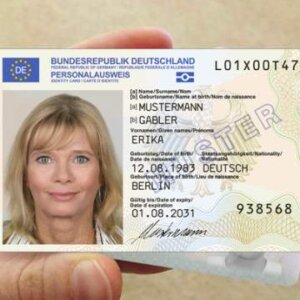

The Belgian ID Card is an official identity document issued by the Belgian government to citizens and eligible residents. It plays a vital role in daily life, serving as a trusted form of proof of identity in Belgium and across the European Union. Designed with advanced security and digital features, the Belgian ID Card ensures reliable identity verification for both online and offline services.
Belgian ID Card Application Process
The Belgian ID Card is an official government-issued identity document for Belgian citizens and legal residents. It is used as a primary form of proof of identity and for travel within the European Union, banking, employment verification, and access to public services. Understanding the purpose, features, and application process of the Belgian ID Card is essential for residents living in Belgium.
What Is a Belgian ID Card?
A Belgian ID Card is a national identity card issued by the Belgian authorities to citizens aged 12 and above. It contains biometric data, including a photograph and electronic chip, ensuring high standards of security features and identity verification. The card is compliant with EU identity regulations, making it valid for Schengen Area travel without a passport.
Key Features of the Belgian ID Card
The Belgian electronic ID (eID) includes advanced digital identity technology. It supports online authentication, electronic signatures, and secure access to government portals. With built-in anti-counterfeiting measures, such as holograms and encrypted chips, the Belgian ID Card ensures maximum protection against identity misuse.
Validity and Renewal
The validity of a Belgian ID Card depends on the holder’s age. Adults usually receive a card valid for 10 years, while minors have shorter validity periods. Belgian ID card renewal should be initiated before expiration to avoid service interruptions. Lost or stolen cards must be reported immediately to ensure identity protection.
Why the Belgian ID Card Is Important
The Belgian ID Card is essential for legal identification, EU mobility, and secure access to both public and private services. Its integration with e-government services makes daily administrative tasks faster and more efficient.
.